
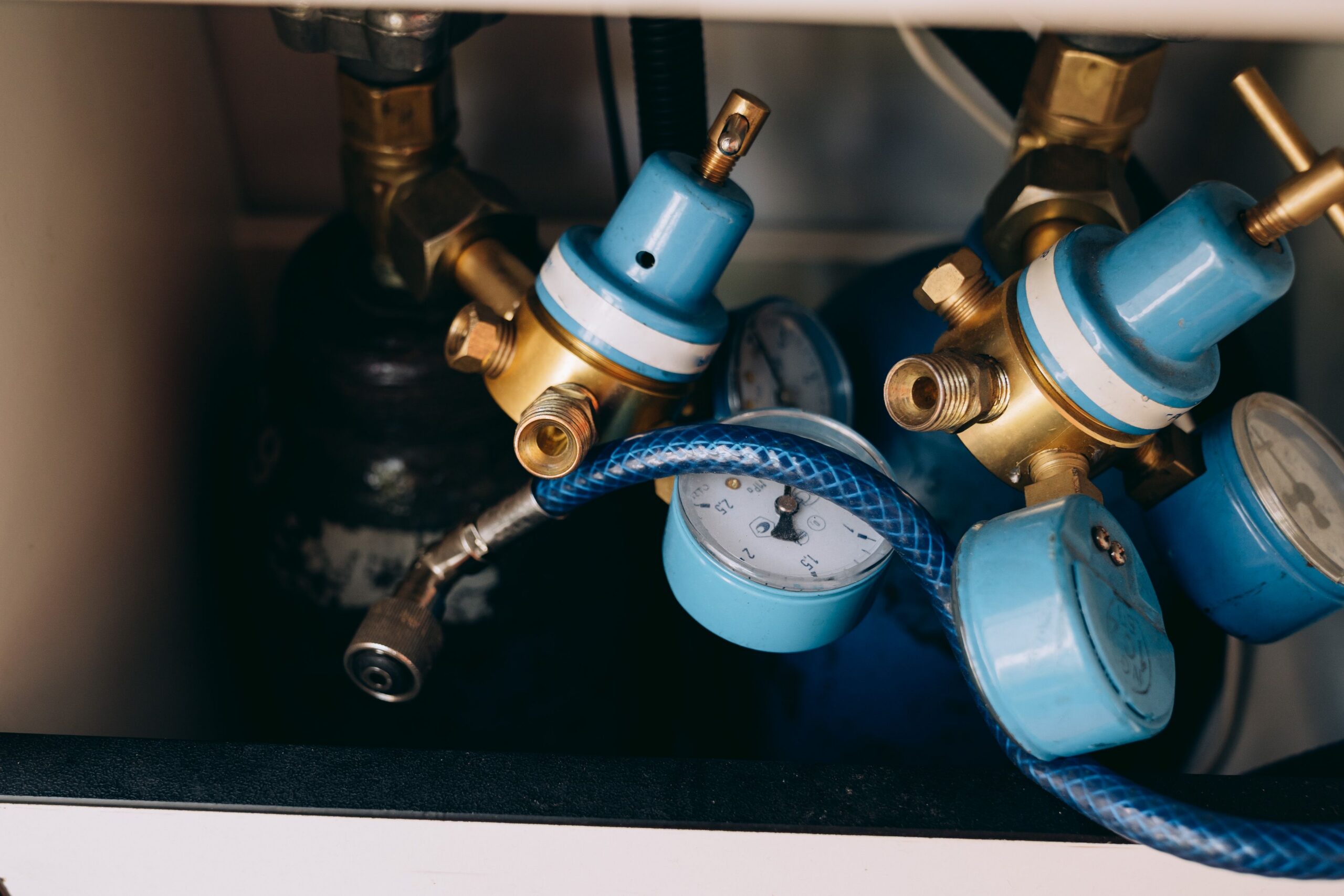
Most labs start on straight butane and never look back, but the operators chasing a specific texture, a specific terpene profile, or a specific reorder pattern usually end up mixing solvents on purpose.
The question is not whether n-butane, propane, and isobutane behave differently. They do, and the difference is measurable. The question is which ratio gets you the output you are actually trying to sell, and what that ratio does to your propane extraction equipment requirements before you ever load a run.
This guide compares the three solvents on the properties that actually matter in a closed-loop system: boiling point and vapor pressure, selectivity, and the pressure rating your hardware needs to hold. Then it maps blend ratios to target outputs, so you are choosing a blend for a reason instead of copying whatever the lab down the street is running.
Boiling Point and Vapor Pressure: Where the Differences Start
Every downstream difference between these three solvents traces back to one thing: how each one behaves under pressure and temperature. According to thermophysical data from the National Institute of Standards and Technology, n-butane boils at roughly 31°F, isobutane at roughly 11°F, and propane considerably lower, at roughly negative 44°F.
That spread is not trivia. It is the reason propane runs at higher system pressure than butane for a given temperature, and it is why a vessel rated for straight butane is not automatically rated for a propane-heavy blend.
Isobutane sits in an interesting middle position. Its boiling point is closer to butane than propane, but its branched molecular structure changes how it interacts with plant material, which brings us to the part that actually affects your finished product.
None of these numbers change because a supplier’s spec sheet rounds differently. They are physical properties of the molecule, and they are why a recipe that works on one solvent does not automatically transfer to another without adjusting temperature, pressure, or both.
Selectivity: What Each Solvent Pulls From the Plant
Butane is the least selective of the three. It pulls a broad range of compounds out of the biomass, including more plant lipids and waxes alongside the cannabinoids and terpenes you want. That is not automatically a bad thing. Non-selective extraction tends to produce higher raw yield, and post-processing techniques handle the unwanted material afterward.
Propane is the more selective solvent. It is less aggressive toward plant lipids, which means a crude extract that starts cleaner and often needs less remediation to reach a stable, terpene-forward finished product. The tradeoff is a lower raw yield per run, since propane simply pulls less total material out of the same biomass.
Isobutane lands closer to propane in practical selectivity, though labs that have run both report it as slightly less aggressive than straight butane without matching propane’s full selectivity advantage. Where it earns its place is in blends, where a small isobutane fraction can shift a butane-heavy mix’s behavior without pushing system pressure as high as adding more propane would.
Blend Ratios and What They’re Built For
Live resin and HTFSE generally call for a propane-forward blend. Fresh-frozen biomass is fragile, and a cold, fast, selective pull preserves the terpene profile that live resin and high-terpene full-spectrum extract are sold on. Operators running these categories often lean toward a blend weighted more heavily toward propane than a standard dual blend provides.
Shatter and other stable, glassy concentrates tolerate a less selective solvent better, since the post-processing steps that get an extract to shatter consistency also strip out more of what a non-selective solvent pulled in. A butane-forward blend, or straight butane, is common here.
General-purpose BHO production, where the target is neither maximum terpene preservation nor a specific glass finish, is where AdChem’s 70 percent butane, 30 percent propane dual blend earns its reputation as the industry default. It splits the difference: better selectivity than straight butane, more yield than straight propane, and it is popular enough that most closed-loop systems are already tuned to run it without modification.
Equipment Pressure Ratings by Blend
This is the part operators skip until a vessel fails a hydro test. Straight butane systems can run on hardware rated for lower working pressure than a blend containing propane. As the propane fraction in your blend increases, so does the vapor pressure inside your recovery vessel at a given operating temperature, and your equipment’s pressure rating has to keep pace. A column, recovery pump, or collection vessel rated for straight butane is not automatically safe to run with a propane-heavy blend at the same temperature.
Before switching from straight butane to any blend with meaningful propane content, check your equipment’s pressure rating against the blend you intend to run, not the blend you used to run. This is a conversation worth having with your equipment manufacturer, not something to guess at based on how the last run felt. A vessel that has run straight butane safely for two years is not proof that it will run a propane-forward blend just as safely tomorrow.
AdChem’s Blend Options
AdChem stocks n-butane, propane, and isobutane as standalone solvents, along with a preset 70/30 butane-propane dual blend and a tri-blend combining all three. All are available in 100-pound cylinders and larger bulk pig containers, fitted with CGA 510 or 555 valves depending on your system.
The dual and tri-blends ship at their listed ratios. If your process calls for a ratio outside what is on the shelf, that is worth a direct conversation before you order, since blending to a nonstandard spec is not something every supplier can do on short notice.
Choosing Your Blend by Target Output
| Target Output | Recommended Blend |
| Live resin, HTFSE | Propane-forward blend |
| Shatter, stable glass concentrates | Straight butane or butane-forward blend |
| General-purpose BHO | 70/30 butane-propane dual blend |
| Labs fine-tuning selectivity further | Tri-blend |
Talk to AdChem About Your Blend
Switching blends changes more than your extract. It changes what your equipment needs to handle safely and how often you are reordering solvent. If you are weighing a switch, request a quote with your target output and current system pressure rating, and AdChem can help you land on the right blend and container size for your production schedule.